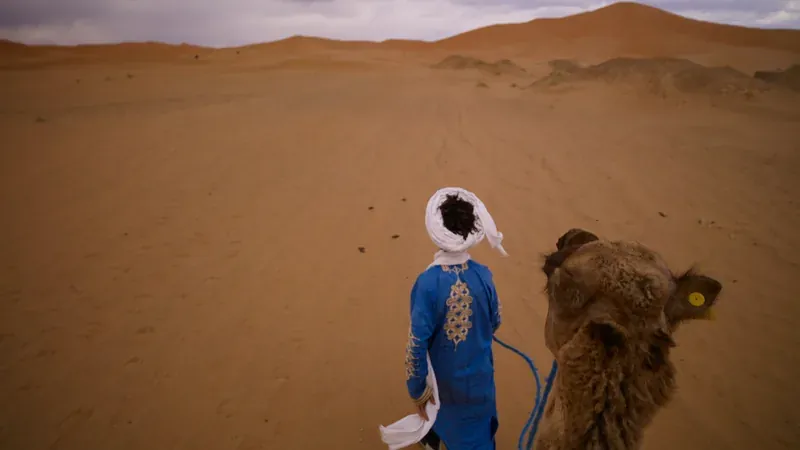
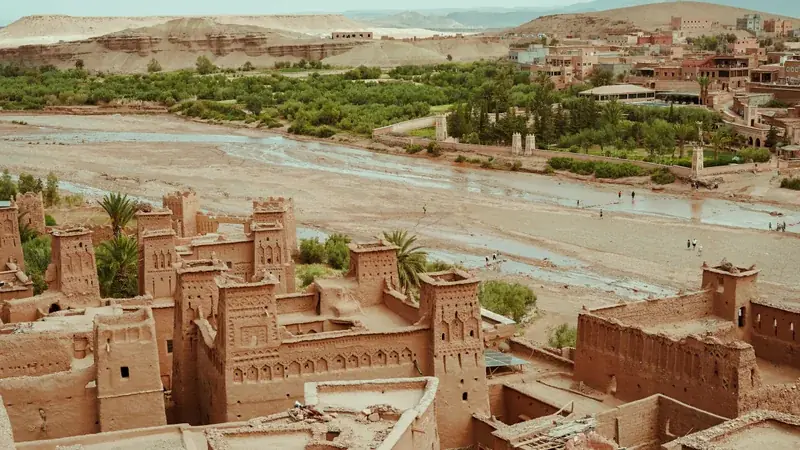
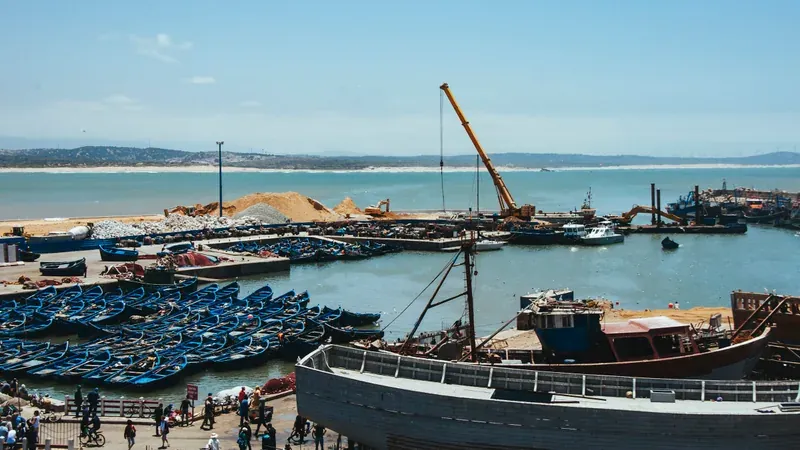
The short answer: getting around Morocco is simple once you match each leg to the right mode. Take the train between the big cities of the north and center (Marrakech, Casablanca, Rabat, Meknes, Fes, Tangier), the bus to places the railway does not reach (Chefchaouen, Essaouira, the south), a tour or private driver for the Sahara, and rent a car only for the Atlas Mountains and small villages at your own pace. For your first night, pre-book an airport transfer.
Where these facts come from. Routes, rules and requirements here come from carriers' and authorities' own pages, checked in September 2026. Fares move and several operators do not publish them, so we point you to the ticket window rather than print a number we cannot stand behind.
Key takeaways
- Morocco's national railway, ONCF, links the main cities of the north and center, and its Al Boraq high-speed train serves the Tangier–Casablanca corridor.
- The railway does not reach Chefchaouen, Essaouira or the Sahara, so visitors get there by CTM or Supratours bus, private driver or organized tour.
- Renting a car in Morocco pays off for the Atlas Mountains and rural road trips, not for city stays, because most medina lanes are closed to cars.
- A pre-booked airport transfer is the most useful transport booking before a first trip to Morocco, especially for a late arrival at a medina riad.
The options at a glance
| Mode | Best for | Pros | Cons |
|---|---|---|---|
| Train | Marrakech ↔ Casablanca ↔ Rabat ↔ Fes ↔ Tangier | Comfortable, predictable, affordable | Limited network |
| Bus (CTM, Supratours) | Chefchaouen, Essaouira, the south | Reaches where trains don't | Slower; book ahead in busy periods |
| Grand taxi | Short intercity hops | Frequent, flexible | Shared and cramped; agree the price first |
| Petit taxi | Rides inside a city | Cheap, everywhere | Insist on the meter or agree the fare first |
| Rental car | Atlas Mountains, road trips | Total freedom | Long drives, checkpoints, city parking |
| Tour / private driver | The Sahara, multi-stop days | Zero stress | Less flexible; costs more than public transport |
Trains
The national railway, ONCF, runs from Tangier down to Marrakech, with a line inland to Meknes and Fes. The Al Boraq high-speed train links Tangier to Kenitra, Rabat and Casablanca; conventional trains cover the rest. A Kenitra–Marrakech high-speed line is under construction, with commercial service expected around September 2029, according to Morocco's transport minister.
For a first trip, the most useful journey is the Marrakech to Fes train. It is long but comfortable, and far less tiring than driving. The direct trip takes about seven hours, with no need to change trains; check the current second-class fare on the ONCF site or app before you book.
- First or second class. First class gives you more space and a reserved seat, which matters on a long leg. Compare the fare difference with second class on the ONCF site before you book.
- Tickets. Buy on the ONCF website or app, or at the station. If your US card is declined online, buy in person at the counter instead.
- Stations. The stations in Marrakech and Fes are outside the medinas: plan a petit taxi at each end.
Take a morning train on long legs. You arrive in daylight, when your riad's door is far easier to find.
Buses
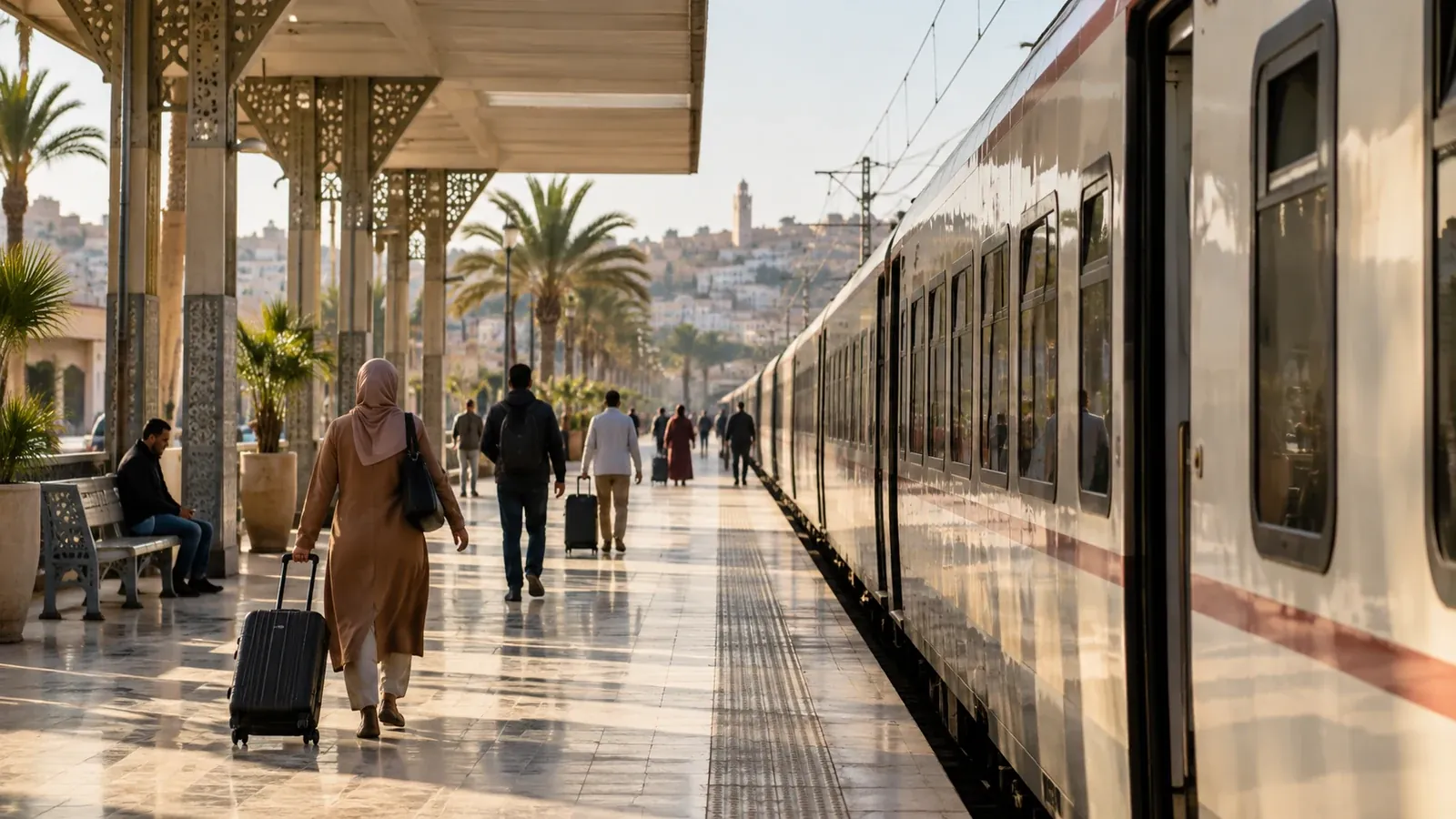
CTM and Supratours run the main long-distance routes with assigned seats and a luggage hold. They often leave from their own terminals rather than the main city bus station, so check the departure address on your ticket.
Typical first-trip routes by bus:
- Fes → Chefchaouen, the classic way to reach the blue town
- Marrakech → Essaouira, the easiest escape to the coast
- Marrakech → Ouarzazate, and onward toward the desert
Book a day or two ahead in spring, in summer and around religious holidays, when many Moroccans travel home too. Checked luggage may carry a small fee paid at the station — ask when you buy your ticket.
Grand taxis and petit taxis
Grand taxis are large shared cars that run between towns on fixed routes. They leave when every seat is taken, and you can pay for the empty seats to leave sooner or get more room. Agree the price before departure.
Petit taxis work only inside a city, and carry a limited number of passengers. Ask for the meter, or agree the fare before you get in. Ride-hailing apps exist in some larger cities, but which ones operate and how they're regulated keeps changing — check what's currently available before you rely on one.
The no-meter ride. Near stations and tourist sites, some drivers refuse the meter and quote a high flat price. Agree the fare before the door closes, or wait for the next taxi.
Renting a car
A rental car suits the Atlas Mountains, the southern valleys and small villages on your own schedule. Skip it for a Marrakech, Fes and Chefchaouen trip: medina lanes are closed to cars, and the train and bus do the job without the parking.
Before you rent:
- Deposit. Rental companies usually block a deposit on a credit card; confirm the amount and whether a debit card is accepted.
- Police checkpoints are common on main roads: slow down, stop if asked and keep your papers handy.
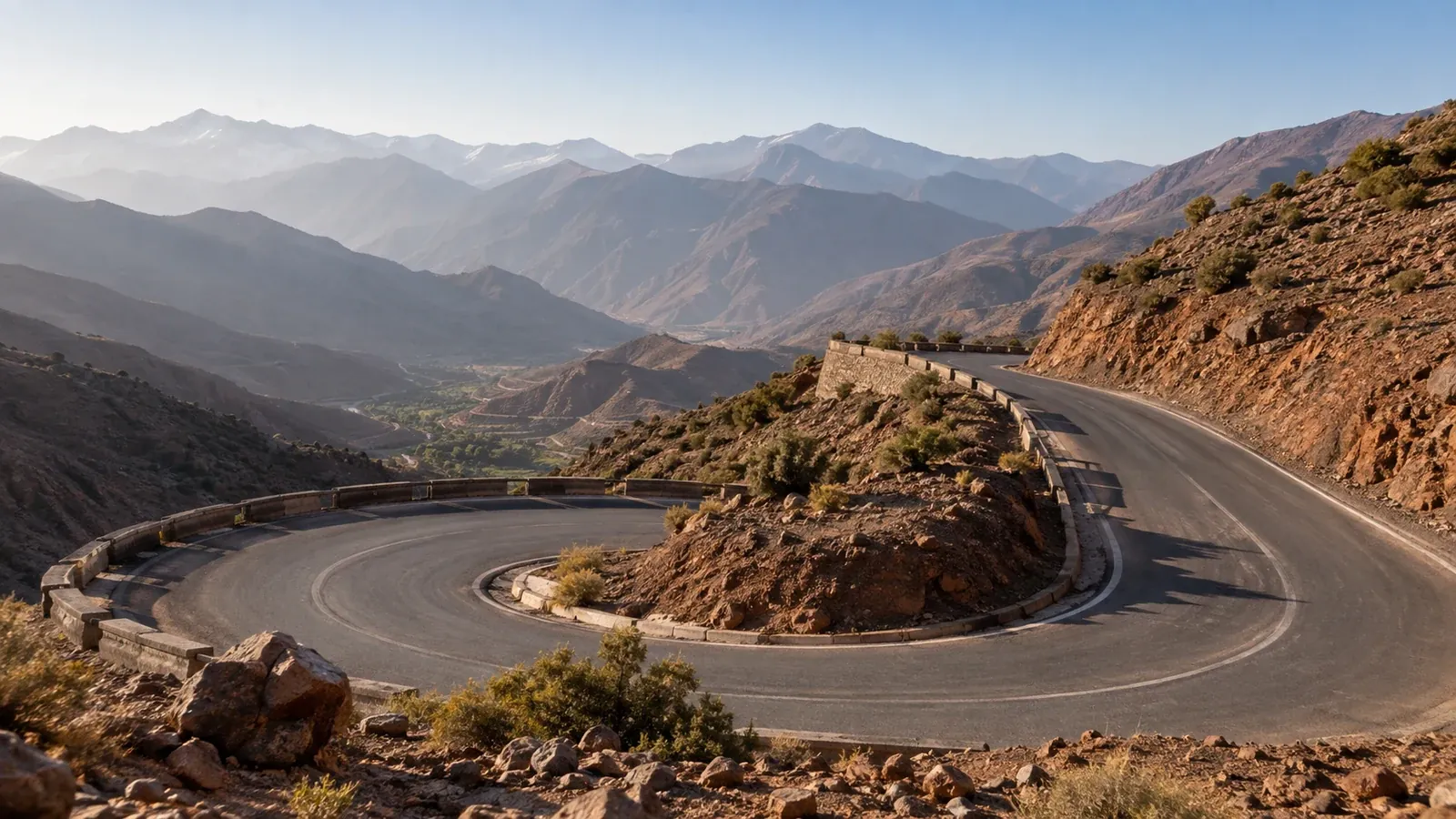
- Mountain roads such as the Tizi n'Tichka pass are slow; allow more time than your map app suggests.
- Parking. In cities, unofficial attendants watch cars for a small tip; use guarded lots near the medinas.
- Insurance excess. Rental cars come with a deductible. Decide in advance between the rental company's cover and an independent excess policy.
- Driving side
- Right-hand traffic, as in the US
- US license and IDP
- A valid US license lets you drive in Morocco for up to a year from entry, and Morocco is on AAA's list of countries that honor the US-issued International Driving Permit; rental companies often ask for the IDP alongside your license as their own policy — check when you book, as of September 2026
- Roundabouts
- Morocco marks two types of circular junctions with different rules — on a signed traffic circle (cédez-le-passage sign), cars already on the ring have priority; on a plain roundabout, priority goes to traffic entering from the right, as of September 2026
- Speed limits
- 20-60 km/h in town depending on the area, 80 km/h on national roads (100 km/h on some sections), 120 km/h on toll motorways, as of September 2026
- Motorway tolls
- Toll motorways run by ADM; pay in cash (dirhams), by bank card at most booths, or with a prepaid Jawaz badge, as of September 2026
- Minimum age
- Set by each rental company, usually together with a minimum time holding your license — confirm both when you book
Before you drive off. Walk around the car with the agent and photograph every scratch, the fuel gauge and the spare tire. Keep the photos until your deposit is released.
Compare car rentals in Morocco →
A self-drive to Merzouga is possible, but most first-timers are better off on a tour that handles the drive and the camp: see Sahara Desert Tour from Marrakech: 2, 3 or 4 Days?
Domestic flights
Royal Air Maroc and the low-cost Air Arabia Maroc both fly domestic routes, connecting cities such as Casablanca, Marrakech, Fes, Agadir, Dakhla and Oujda. A flight can save a long day on the road, but once you add airport time, it rarely beats the train where the railway runs.
Airport transfers: the one thing to pre-book
Your first ride in a new country, at night, with luggage, toward a riad that cars can't reach: that is the moment to pre-book. A transfer driver waits with your name and knows the closest drop-off point to your riad.
Alternatives for a daytime arrival:
- Airport taxi. At Marrakech Menara, arriving passengers pay official fares at the kech.cab counter after baggage claim; rates are fixed by destination and set jointly by ONDA and local authorities, so agree nothing extra with the driver.
- City bus. ALSA line 19 connects Marrakech airport to Gueliz, roughly every 30 minutes from about 6 am to 9 pm, a 30-minute ride — check the current fare before you board.
Book a transfer if you land after dark, travel with kids or stay deep in the medina; for a daytime arrival at a Gueliz hotel, a taxi is enough. Compare neighborhoods in Where to Stay in Marrakech.
Book a Marrakech airport transfer →
What getting around costs
Fares change with class, season and demand, so check the operator's site before you travel.
Typical transport costs, per person unless noted
Checked September 2026Best option by route or situation
| Route or situation | Best option | Alternative |
|---|---|---|
| Marrakech → Fes | Train | 3-day desert tour ending in Fes |
| Marrakech → Essaouira | Bus | Private driver, rental car |
| Fes → Chefchaouen | Bus | Private driver, grand taxi |
| Marrakech → Merzouga | Tour | Rental car |
| Casablanca airport → Marrakech | Train from the airport station, possibly with a change at Casa-Voyageurs | Private transfer |
| Landing in Marrakech after dark | Pre-booked transfer | Riad pickup |
See how these legs fit a first trip in the 7 Days in Morocco itinerary.
Stay connected on the road
An eSIM set up before you fly means data works the moment you land; a local SIM from Maroc Telecom, Orange or inwi is the alternative, but buying one takes time on arrival, and Moroccan rules have required presenting a passport to register a local SIM since 2014. Compare eSIM and local SIM prices and coverage on each provider's site before you choose. Skip the eSIM if your phone is carrier-locked or not eSIM-compatible: check both with your US carrier first.
Before you travel
Transport to sort before you fly
0 / 6 doneFAQ
What is the best way to travel around Morocco?
Trains between the big cities, buses for Chefchaouen and the coast, and a tour or private driver for the Sahara.
Can I take the train from Marrakech to Chefchaouen?
No. Chefchaouen has no train station. Take the train to Fes, then a bus or a private driver.
Is there an overnight train from Marrakech to Fes?
Check the current ONCF timetable before planning around a night train: services and stops change.
Is it safe to drive in Morocco?
Main roads are generally fine for confident drivers, but local habits, checkpoints and mountain roads take getting used to. Check that your insurance covers the rental car. More in Do I Need Travel Insurance for Morocco?
Do I need an International Driving Permit to drive in Morocco?
A valid US license lets you drive in Morocco for up to a year, and Morocco is on AAA's list of countries that honor the US-issued IDP. Most rental companies ask for the IDP alongside your license as their own policy, so check with your rental company and the U.S. Department of State's Morocco page before you go.
Do I need to book trains and buses in advance?
On busy routes, in summer and around holidays, yes: at least a day or two ahead.